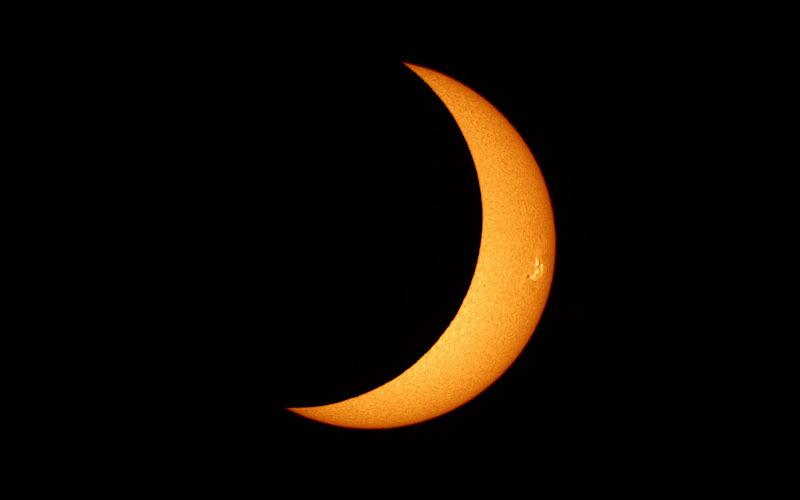
Get ready for a spectacular celestial event as the partial solar eclipse on March 29, 2025, graces the skies! Witness the Moon partially cover the Sun, creating a breathtaking cosmic display visible from parts of Europe, North America, South America, Africa, and the Arctic.
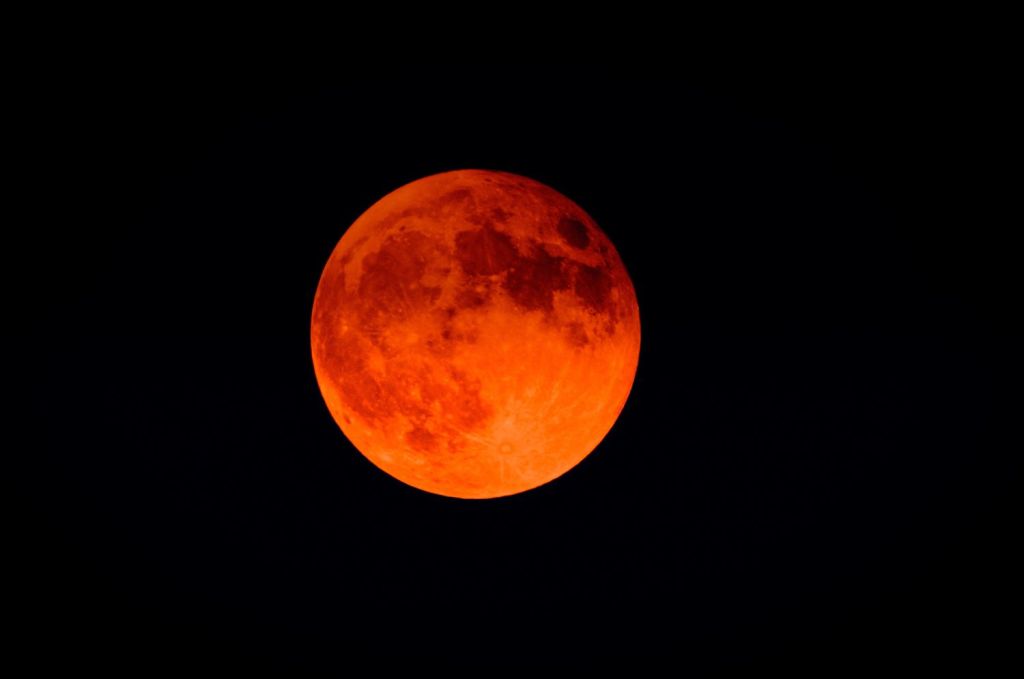
On March 14, 2025, the night sky will witness a stunning Blood Moon during a total lunar eclipse. This occurs when the Earth comes directly between the Sun and the Moon, casting a shadow that gives the Moon a deep red or copper hue.
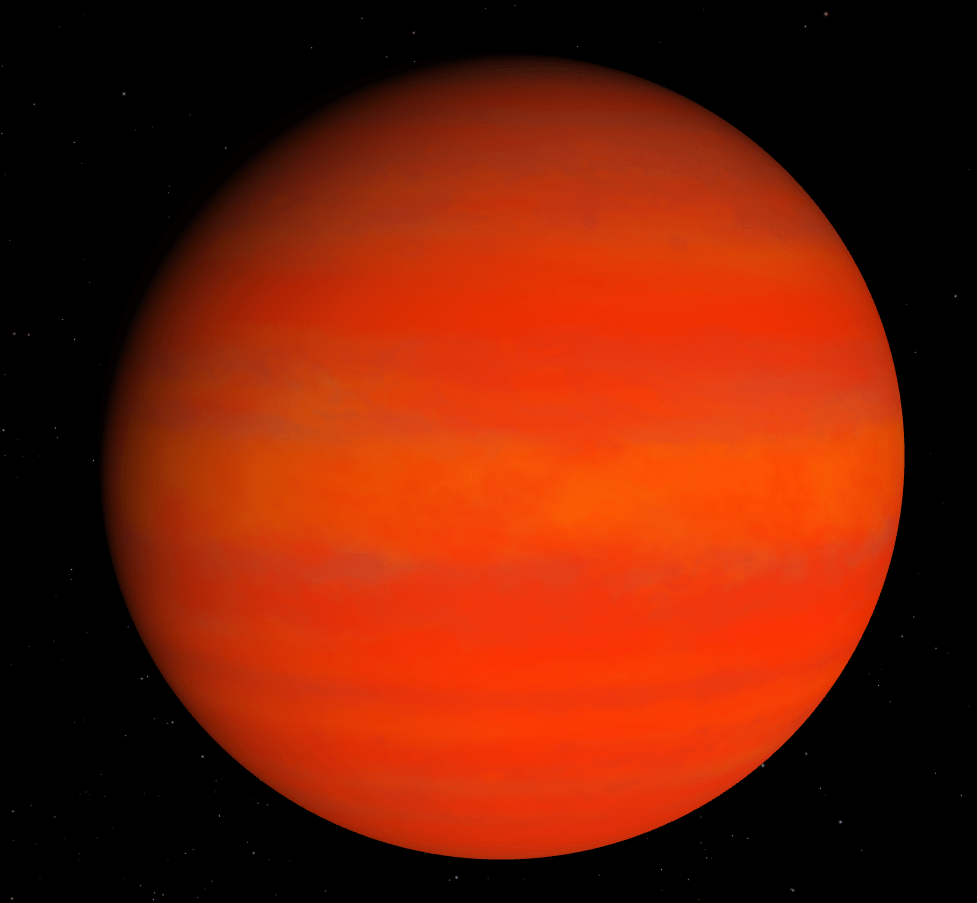
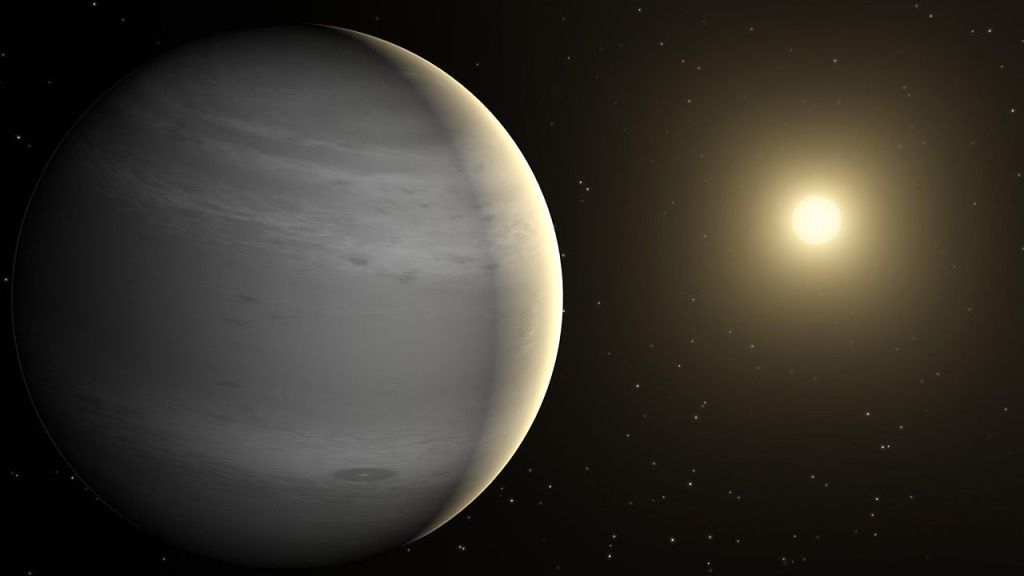
TOI-6038 A b is a dense sub-Saturn exoplanet orbiting a bright late F-type star about 578 light-years from Earth. With a high metal content and a substantial core, it challenges traditional planet formation theories. Its discovery using TESS and the PARAS-2 spectrograph highlights the advancements in exoplanet research and India’s growing role in astronomical observations.
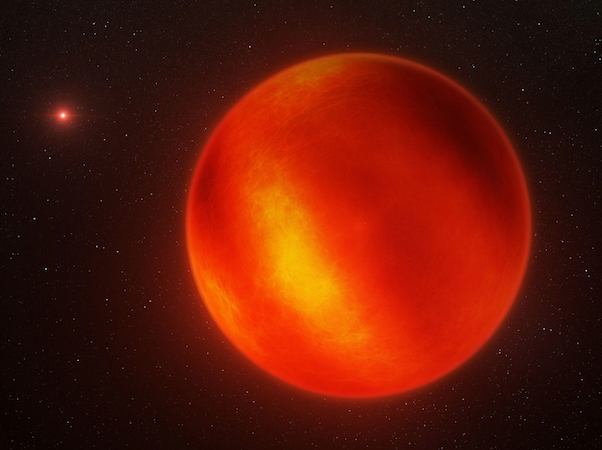
WISE 1049AB, the closest brown dwarf pair to Earth, is surprising scientists. These “failed stars” are just 6.5 light-years away. New images from the James Webb Space Telescope reveal intense sandstorms raging on these cosmic bodies. The discovery challenges our understanding of brown dwarfs and opens new avenues for research into their atmospheres and weather patterns.
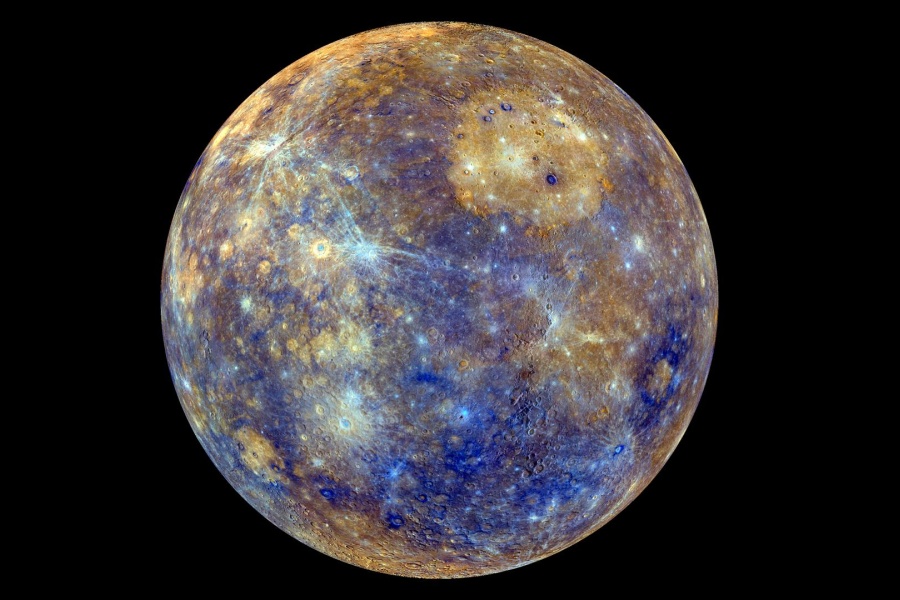
New analysis of NASA’s MESSENGER data reveals even more tantalizing clues about Mercury’s potential diamond-rich crust. Scientists are homing in on the exact composition and thickness of this extraordinary layer, promising to reshape our understanding of planetary formation. As research progresses, the possibility of Mercury harboring a colossal diamond reserve grows increasingly plausible, sparking both scientific intrigue and economic speculation.
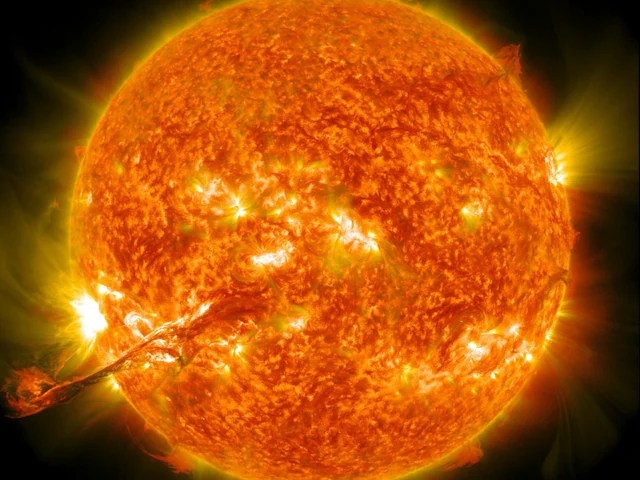
A massive burst of solar plasma erupted from sunspot AR3757 on July 21, hurtling towards Earth.Geomagnetic Threat: The plasma cloud is expected to collide with Earth’s magnetic field on July 24, potentially causing power grid disruptions and stunning auroras.
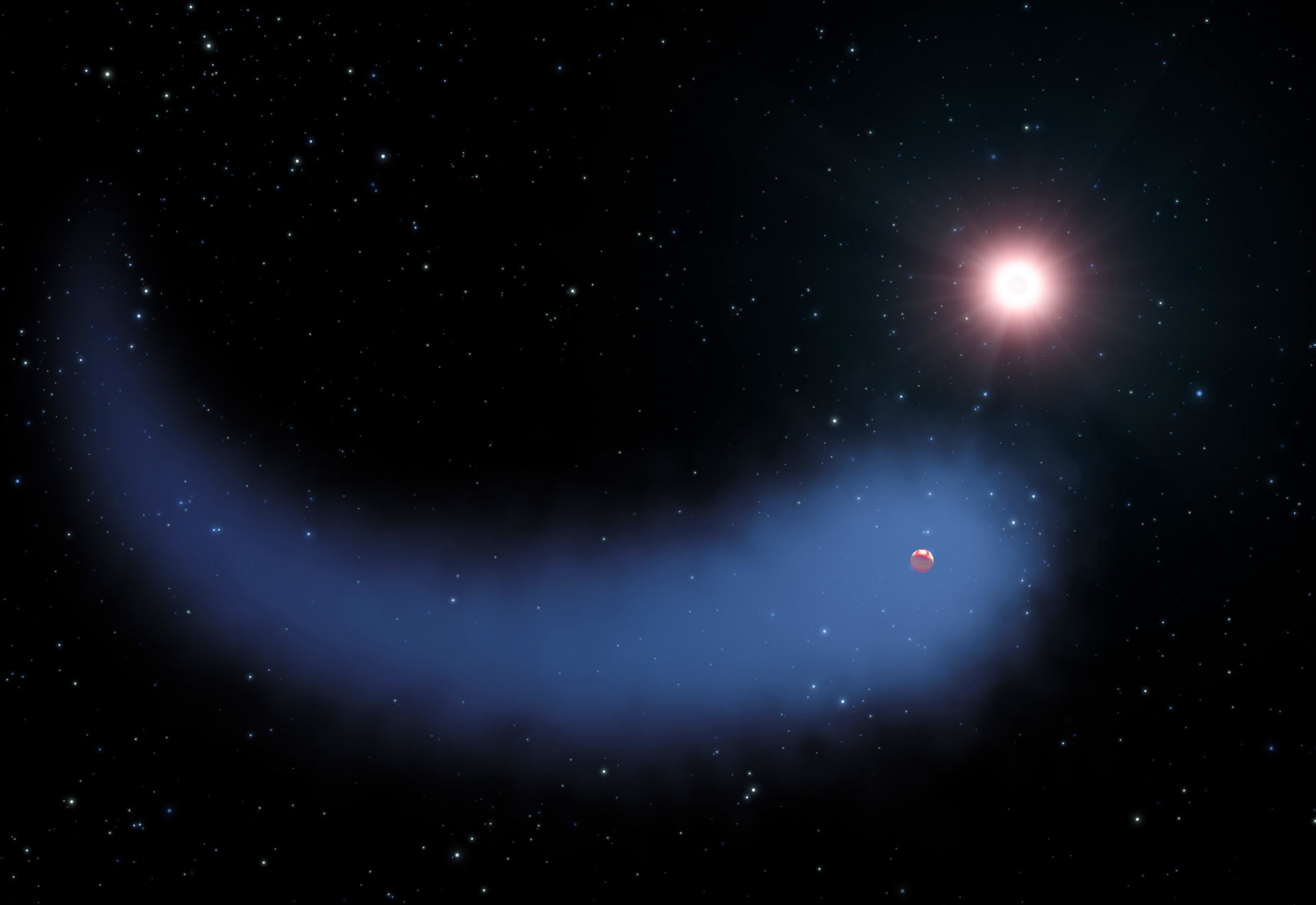
Gliese 436b, a Neptune-sized planet, defies expectations. Despite its scorching temperatures, it loses water vapor into space, creating a comet-like tail of hydrogen. This unusual characteristic offers scientists a unique opportunity to study the planet’s atmosphere and its evolution.

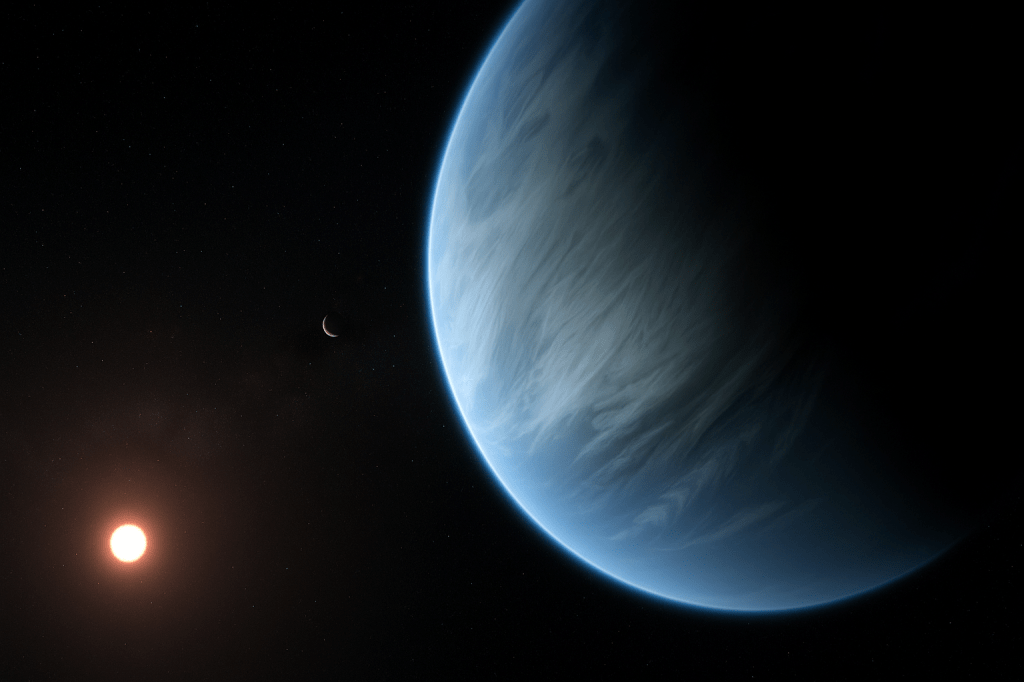
Kepler-22b is a super-Earth exoplanet orbiting a sun-like star in the habitable zone, where liquid water could potentially exist. Discovered in 2011, it has captivated scientists as a potential candidate for hosting life due to its favorable conditions, though its exact composition and atmosphere remain a mystery.

NASA’s Psyche spacecraft is on a six-year trek to unlock the secrets of 16 Psyche, a unique metal-rich asteroid thought to be the exposed core of a shattered planet. Launching in 2023, the mission aims to arrive in 2029 and spend 21 months studying Psyche’s composition, offering insights into the early formation of planets.

The Webb telescope has captured a mind-bending image! A distant quasar, RX J1131-1231, appears as a ring due to the gravity of an unseen galaxy, acting as a cosmic magnifying glass. This observation helps astronomers study both the quasar and the lensing galaxy in greater detail.

TON 618 is a hyper-luminous quasar, powered by a record-breaking black hole, and shines 140 trillion times brighter than the Sun. (18.2 billion light-years away).

A potentially habitable super-Earth, TOI-715b, was discovered in 2023 by NASA’s TESS. The planet is 3 times more massive than Earth and orbits a cool red dwarf star within the star’s habitable zone, where liquid water could exist on its surface. TOI-715b is only 137 light-years away, making it a prime candidate for further study in the search for life beyond Earth.

Beautiful SUN is very dangerous, sun has lot’s of spots in it with the size of 100 times of earth.

Scientist have discovered the “Sugar World” in a solar system kuiper belt, we founded sugar component’s like glucose in it.

Citizen scientists discover “Percival“, a Neptune-sized exoplanet! This gas giant orbits within the habitable zone of a sun-like star in a binary system, 309 light-years away. Though unlikely to support life itself, Percival opens doors for the possibility of habitable moons in such systems.

Star formation bonanza! Astronomers discover 3 distant stellar nurseries, crucial for understanding early star development.

The first ever image of an exoplanet captured, the exoplanet is more bright then it’s brown dwarf parent star.

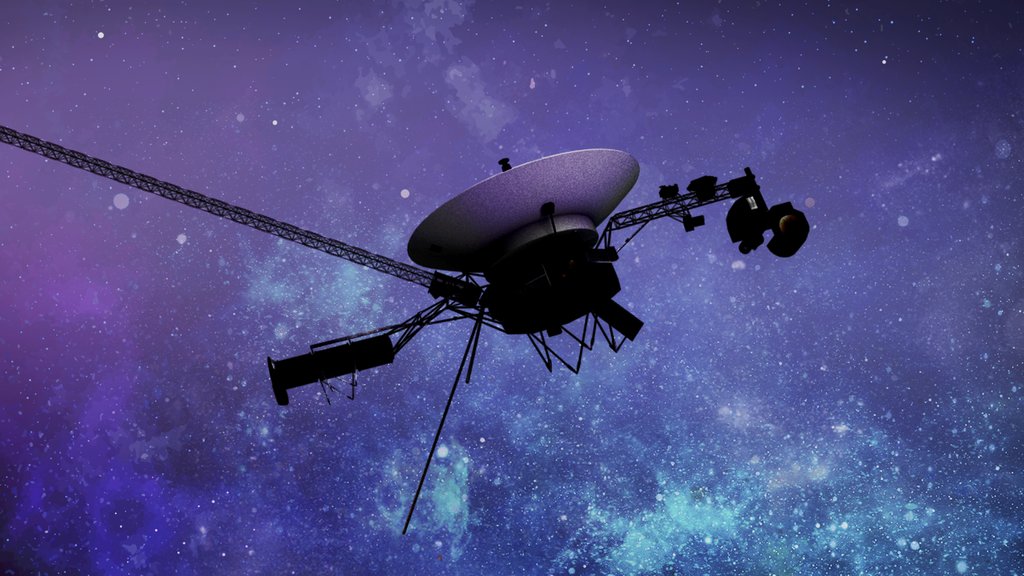
Contact from Voyager-1 is re-established by NASA, the contact from voyager-1 is disrupter because of it’s EDS system but scientists recovered it.